The discovery of a mosque on Little St. James—the private island once owned by convicted sex offender Jeffrey Epstein—raised immediate eyebrows. But revelations suggesting Epstein may have obtained sacred objects from Islam’s holiest site, the Masjid al-Haram in Mecca, have escalated concerns into global outrage. While concrete evidence remains elusive, the mere suggestion that relics from one of the most revered locations in Islam could have been trafficked into a private, secretive compound linked to criminal activity has struck a deep nerve among Muslim communities and ethics watchdogs alike.
This isn’t just about architectural oddities or eccentric billionaire behavior. It touches on the sanctity of religious spaces, the ethics of private ownership of sacred items, and the troubling pattern of powerful figures exploiting spiritual symbols for personal mystique—or worse.
The Mosque on Epstein’s Island: Symbol or Sanctuary?
Little St. James, often dubbed “Pedophile Island” in media and public discourse, featured a small, white-domed structure unmistakably styled as a mosque. It stood in stark contrast to the island’s other features—luxury villas, surveillance systems, and areas later linked to illicit activities.
Photos and testimonies confirm the mosque's existence. Some workers reported seeing prayer mats, Quranic calligraphy, and even a mihrab (prayer niche indicating the direction of Mecca). But questions quickly followed: Why would Epstein, a secular figure with no known ties to Islam, build a mosque? Was it functional? Decorative? Or something more calculated?
More troubling: Was it ever intended for worship—or for theater?
The presence of a mosque in such a context invites suspicion. In Islamic tradition, mosques are community spaces, grounded in transparency, charity, and piety. Epstein’s island operated under secrecy, restricted access, and layers of legal and physical obfuscation. The dissonance is glaring.
Sacred Objects from Mecca: What’s the Evidence?
No verifiable inventory has surfaced proving Epstein possessed relics from Mecca. But claims persist—fueled by leaked documents, anonymous testimonies, and investigative reports.
The Grand Mosque in Mecca houses some of Islam’s most sacred objects: fragments of the original Kiswah (the black cloth covering the Kaaba), relics associated with the Prophet Muhammad, and ancient manuscripts. These are not for sale, nor are they subject to private ownership. Their removal or duplication without authorization is both illegal and blasphemous under Islamic law.
Yet rumors suggest that Epstein, through intermediaries or shadow networks, acquired replicas—or possibly even authentic fragments—of such items. Some reports reference a black-draped box, transported under tight security to the island, said to contain “holy cloth.” Others mention gilded frames with Arabic inscriptions resembling verses from the Quran, purchased through private Middle Eastern antiquities dealers.
No U.S. or Saudi authorities have confirmed these claims. The Saudi Ministry of Islamic Affairs has not issued statements on missing artifacts, and Interpol has no public records of such a trafficking case tied to Epstein.
Still, the optics are damaging. Even if the objects were replicas, their placement in a private, morally compromised setting risks profound disrespect.
Why Would Epstein Want Islamic Relics?

Understanding Epstein’s motives requires parsing his documented behavior: a fascination with power, influence, and esoteric symbolism. He cultivated relationships with scientists, politicians, royalty—and religious figures. His network spanned continents, often blurring ethical and legal lines.
Possible explanations for the mosque and potential relics:
- Spiritual branding: Epstein may have used the mosque to signal cultural sophistication or spiritual depth—especially to wealthy Middle Eastern associates.
- Access strategy: Presenting himself as a patron of Islam could have been a tactic to gain favor with Gulf investors or royal connections.
- Personal mystique: Epstein collected rare artifacts—art, manuscripts, even human DNA samples. Sacred Islamic objects could fit a pattern of accumulating “forbidden” or exclusive items.
- Operational cover: A mosque could serve as a legitimate-looking structure to justify visits by individuals from Muslim-majority countries, masking other activities.
None excuse the ethical breach. Even possessing a replica of the Kiswah outside a religious context is controversial. In Islam, sacred symbols carry spiritual weight. Their misuse—even symbolically—can be seen as亵渎 (desecration).
Cultural and Religious Implications For Muslims worldwide, Mecca is inviolable. The Kaaba is the qibla, the focal point of daily prayer. The annual Hajj pilgrimage draws millions. The sanctity of the site is non-negotiable.
When figures like Epstein—accused of exploiting vulnerable people—are linked, even peripherally, to objects from Mecca, it triggers deeper anxieties:
- Commodification of the sacred: Religious artifacts becoming bargaining chips in elite circles.
- Exploitation of faith: Using religion as a façade for illicit networks.
- Erosion of trust: If relics can disappear from Mecca, where does accountability lie?
Religious scholars have condemned the idea of private ownership of such items. Dr. Yusef al-Qaradawi, a prominent Islamic theologian, previously ruled that “nothing from the Haram may be taken for personal gain or display. It belongs to all Muslims.”
Even symbolic misuse damages communal trust. Imagine a Christian relic from the Vatican appearing in a brothel. The offense is self-evident.
How Could Sacred Objects Be Removed from Mecca?
The Grand Mosque is one of the most secure religious sites on Earth. Access to relics is tightly controlled by the Saudi government and the General Presidency of the Two Holy Mosques.
Yet trafficking of religious artifacts is not unheard of. In 2017, Interpol issued a red notice for a man suspected of stealing Quranic fragments from mosques in Turkey and Syria. Antiquities black markets thrive in conflict zones, but also in high-end private auctions.
Possible pathways for illicit transfer:
- Corruption within custodial systems: Insiders with access could remove small fragments or make unauthorized duplicates.
- Forged provenance documents: Art dealers sometimes label generic Islamic art as “Mecca relics” to inflate value.
- Diplomatic or private channels: High-profile individuals may exploit loopholes using private jets, diplomatic immunity, or shell companies.
Epstein’s connections to global elites, private aviation, and offshore finance make such a scenario plausible—though unproven.
Replicas are easier to obtain. Skilled artisans in countries like Turkey and Pakistan produce detailed copies of Islamic relics, often sold as “spiritual memorabilia.” But without clear labeling, buyers—or recipients—may believe they’re receiving authentic pieces.
The Role of Media and Misinformation
Not all claims about Epstein’s mosque are reliable. Viral social media posts have circulated images of Islamic artifacts with captions tying them to Epstein—later found to originate from museums or private collections in Malaysia and Indonesia.
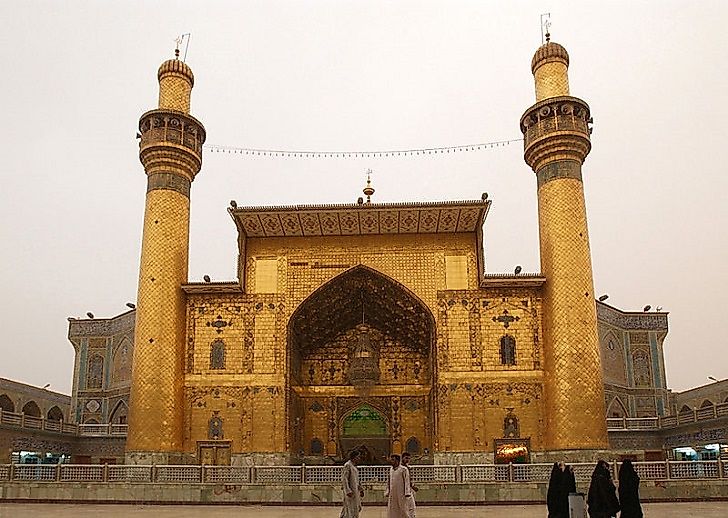
Misinformation spreads because the story feels true. Epstein’s pattern of manipulation, his island’s hidden structures, and his global web of influence make extreme allegations seem credible.
Journalists and researchers must distinguish between:
- Verified facts: The mosque existed. Epstein had Middle Eastern contacts.
- Unverified claims: Specific relics were sourced from Mecca.
- Debunked rumors: That the mosque was used for occult rituals involving Islamic symbols.
Responsible reporting requires sourcing from credible investigators, satellite imagery, and documented testimonies—not anonymous online forums.
Still, the lack of transparency from authorities fuels speculation. Until a full forensic audit of Epstein’s properties—and financial trails—is made public, gaps will remain.
What This Means for Religious Integrity
The Epstein case isn’t isolated. It reflects a broader issue: the vulnerability of sacred symbols in an age of wealth-driven access.
Other examples:
- A 17th-century Torah scroll stolen from a European synagogue resurfaced in a private collector’s vault in Switzerland.
- Buddhist relics from Thailand have appeared in luxury auctions in New York.
- In 2020, a fragment of Prophet Muhammad’s cloak was allegedly offered for $7 million through a Dubai dealer (denied by the dealer and authorities).
When religion becomes collectible, its meaning erodes.
For Muslim communities, the idea that Mecca’s sanctity could be compromised—even symbolically—by a figure like Epstein is a profound betrayal. It’s not just about one man’s actions. It’s about who gets to control, display, and interpret the sacred.
Accountability and Moving Forward
No individual or institution has claimed responsibility for investigating the origin of objects in Epstein’s mosque. The U.S. Department of Justice focused on criminal charges related to trafficking, not religious artifact violations.
But the issue demands attention:
- Saudi Arabia should clarify whether any relics from Mecca have gone missing.
- Interpol could expand its religious artifact watchlist to include Islamic sites.
- Museums and auction houses must tighten due diligence on Islamic antiquities.
- Journalists should pursue verified documentation, not viral narratives.
Until then, the mosque on Little St. James remains a haunting symbol—not of faith, but of exploitation.
The lesson is clear: sacred objects are not décor. They are not status symbols. And they certainly don’t belong in the private playgrounds of predators.
FAQs
Did Jeffrey Epstein convert to Islam? No credible evidence suggests Epstein converted. His interest in Islamic symbols appears tied to image-building, not religious conviction.
Is it legal to own Islamic relics? Authentic relics from Mecca are state-protected and cannot be legally owned privately. Replicas are legal but ethically sensitive.
Was the mosque on Epstein’s island used for prayer? Unclear. No verified records show regular worship. Some guests reported seeing religious items, but no formal services were documented.
Could relics from Mecca be smuggled out? Highly unlikely due to security, but not impossible. Corruption or insider access could enable small-scale theft.
Has Saudi Arabia commented on this? As of now, no official statement has been released by Saudi religious or government authorities.
Are there photos of the mosque’s interior? Limited images exist—mostly exterior shots. Interior details come from worker testimonies and aerial views.
What happened to the mosque after Epstein’s death? The island was sold in 2023. The new owners reportedly demolished several structures, but it’s unknown if the mosque was removed.
FAQ
What should you look for in Epstein’s Alleged Relics from Islam’s Holiest Site Spark Outrage? Focus on relevance, practical value, and how well the solution matches real user intent.
Is Epstein’s Alleged Relics from Islam’s Holiest Site Spark Outrage suitable for beginners? That depends on the workflow, but a clear step-by-step approach usually makes it easier to start.
How do you compare options around Epstein’s Alleged Relics from Islam’s Holiest Site Spark Outrage? Compare features, trust signals, limitations, pricing, and ease of implementation.
What mistakes should you avoid? Avoid generic choices, weak validation, and decisions based only on marketing claims.
What is the next best step? Shortlist the most relevant options, validate them quickly, and refine from real-world results.